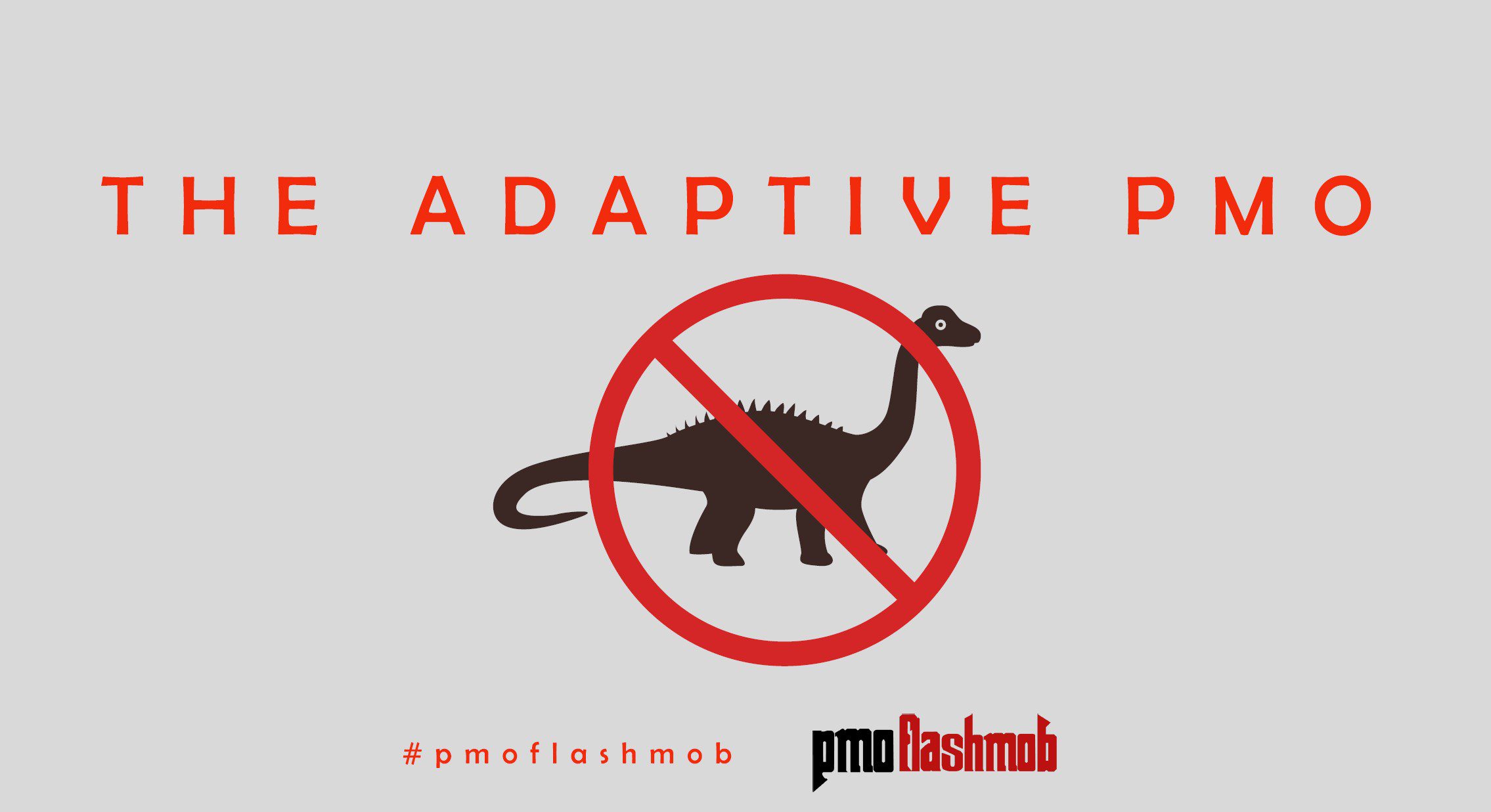
Explore how PMOs balance reward and enforcement to motivate project teams. Carrot or stick? Learn what works, why context matters, and how to shift from ‘project police’ to trusted partner.
Explore the role of a PMO service catalogue—what it is, why it’s useful, and how PMO teams use it to define, deliver, and evolve services. Includes community insights from our #PMOwfh session.
Discover how PMOs can evolve to support both Agile and Waterfall projects effectively. Insights from John McIntyre on delivering fast, increasing transparency, and avoiding common pitfalls while balancing hybrid portfolios.
Resource allocation is one of the most valued PMO services, but it’s tricky to get right. Discover how PMO practitioners define and deliver this essential service.
Discover what a PMO Service Catalogue really is, how to build one, and how PMOs can use it to define, communicate, and evolve their service offerings. Includes templates, real-world use cases, and insights from PMO Flashmob.
Discover how PMOs can measure value through service menus, SLAs, and stakeholder feedback. Learn techniques like NPS, maturity models, and Voice of the Customer to evaluate PMO services effectively.
Catch Eileen Roden’s session at the BCS PROMS-G event on how effective PMOs drive delivery success in IT. Learn about common PMO pitfalls, valuable contributions, and strategies to get the most from your PMO. Recording and visual notes included.
Explore what makes up the ideal PMO team—from skills and roles to flexibility and culture. Taken from the PMO Unconference, discover what really matters when building a high-performing PMO team.
Inspired by Casey Brown’s “Know Your Worth” TED Talk, this article explores how PMOs can define and communicate their value more clearly – using four powerful questions to shift perception and boost confidence.
Used to monitor number of Google Analytics server requests when using Google Tag Manager
1 minute
_gid
ID used to identify users for 24 hours after last activity
24 hours
_ga_
ID used to identify users
2 years
_gali
Used by Google Analytics to determine which links on a page are being clicked
30 seconds
_ga
ID used to identify users
2 years
__utmx
Used to determine whether a user is included in an A / B or Multivariate test.
18 months
__utmv
Contains custom information set by the web developer via the _setCustomVar method in Google Analytics. This cookie is updated every time new data is sent to the Google Analytics server.
2 years after last activity
__utmz
Contains information about the traffic source or campaign that directed user to the website. The cookie is set when the GA.js javascript is loaded and updated when data is sent to the Google Anaytics server
6 months after last activity
__utmc
Used only with old Urchin versions of Google Analytics and not with GA.js. Was used to distinguish between new sessions and visits at the end of a session.
End of session (browser)
__utmb
Used to distinguish new sessions and visits. This cookie is set when the GA.js javascript library is loaded and there is no existing __utmb cookie. The cookie is updated every time data is sent to the Google Analytics server.
30 minutes after last activity
__utmt
Used to monitor number of Google Analytics server requests
10 minutes
__utma
ID used to identify users and sessions
2 years after last activity
_gac_
Contains information related to marketing campaigns of the user. These are shared with Google AdWords / Google Ads when the Google Ads and Google Analytics accounts are linked together.
90 days
SourceBuster is used by WooCommerce for order attribution based on user source.
Name
Description
Duration
sbjs_migrations
Technical data to help with migrations between different versions of the tracking feature
session
sbjs_current_add
Timestamp, referring URL, and entry page for your visitor’s current visit to your store
session
sbjs_first_add
Timestamp, referring URL, and entry page for your visitor’s first visit to your store (only applicable if the visitor returns before the session expires)
session
sbjs_current
Traffic origin information for the visitor’s current visit to your store
session
sbjs_udata
Information about the visitor’s user agent, such as IP, the browser, and the device type
session
sbjs_first
Traffic origin information for the visitor’s first visit to your store (only applicable if the visitor returns before the session expires)
session
sbjs_session
The number of page views in this session and the current page path
30 minutes
WPMU DEV Analytics is the visitor statistics feature of the WPMU DEV Dashboard plugin. It reports traffic and visitor behavior inside The Hub using a Matomo analytics instance hosted by WPMU DEV.